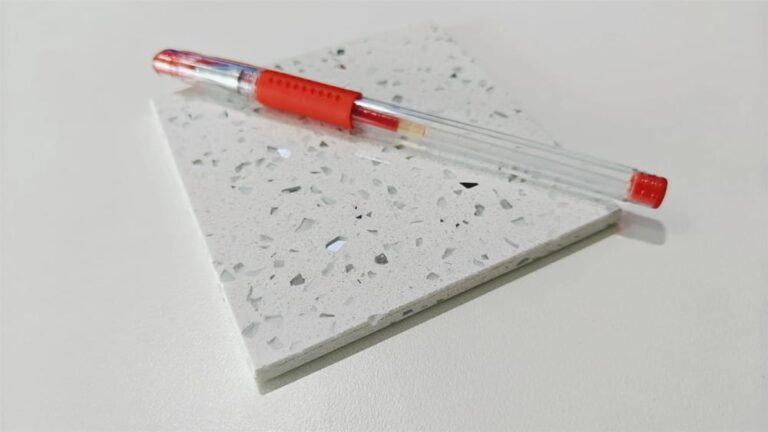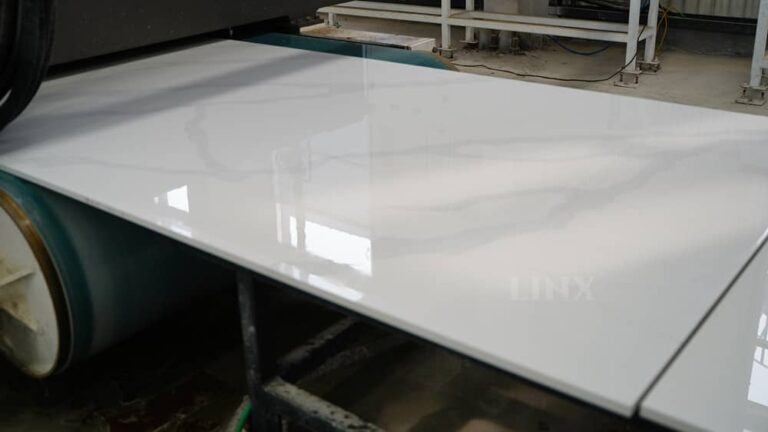

Artificial stone, known for its beauty, durability, and environmental friendliness, has become one of the most important decorative materials in modern architecture and interior design. Driven by the rapid expansion of construction, home decoration, and commercial design in China, the artificial stone industry has experienced steady and transformative growth over the past four decades.
This article reviews the development history of China’s artificial stone industry—from its early beginnings to today’s modern, technology-driven stage—highlighting its technological progress, market evolution, and future prospects.
1. Early Stage (1980s – Early 1990s)
Although the performance and appearance of early artificial stones lagged behind natural marble or granite, their affordability, color variety, and ease of production allowed them to gain a foothold in the domestic market. Most applications were in public buildings, such as floors and walls, laying the groundwork for future industrialization.
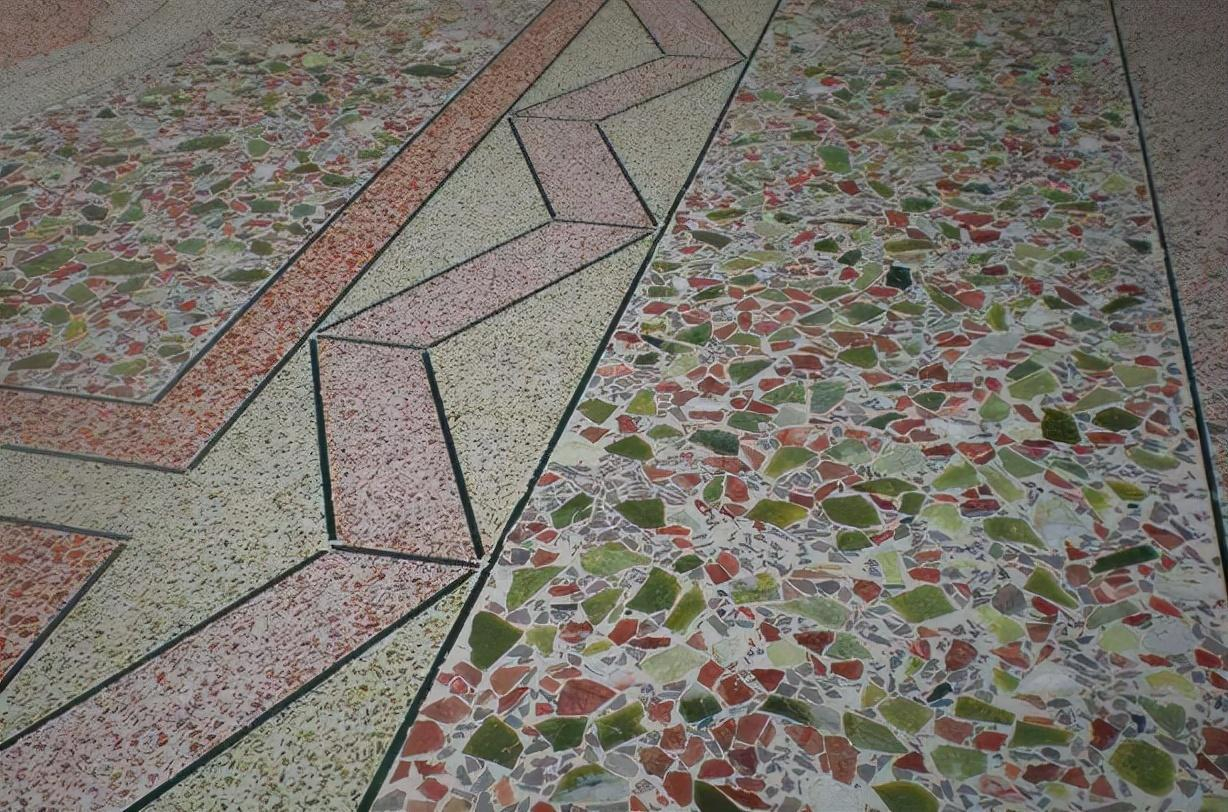
2. Growth Stage (Mid-1990s – 2000)
This period was marked by technology introduction and equipment modernization. Manufacturers in coastal provinces—such as Guangdong, Fujian, and Shandong—began importing advanced machinery and production techniques from abroad, significantly improving product quality and consistency.
Composite resin artificial marble became the mainstream product, favored by designers for its smooth texture, wide color range, and easy processability.
Applications expanded from public construction projects to residential interiors, particularly for kitchen countertops, vanity tops, and bar counters, paving the way for mass consumer markets.
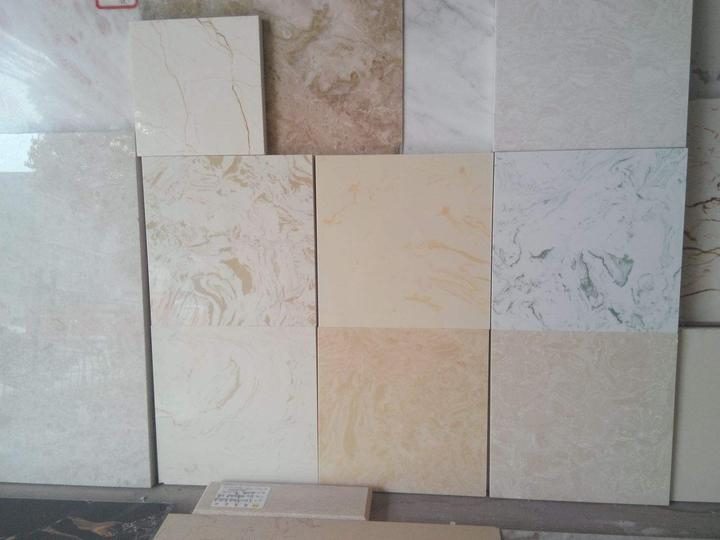
3. Rapid Development Stage (2000 – 2015)
Industrial Scale Expansion – Numerous enterprises entered the field, forming large industrial clusters in key regions like Foshan (Guangdong), Quanzhou (Fujian), and Yantai (Shandong).
Technological Innovation – New products such as quartz stone, inorganic stone, and eco-stone emerged. Among them, quartz stone became highly popular due to its hardness, scratch resistance, and superior stain resistance, making it a top choice for high-end applications.
Branding and Globalization – Chinese manufacturers began building their own brands and expanding to overseas markets through international exhibitions and B2B platforms like Alibaba. China quickly became one of the world’s leading producers and exporters of artificial stone.
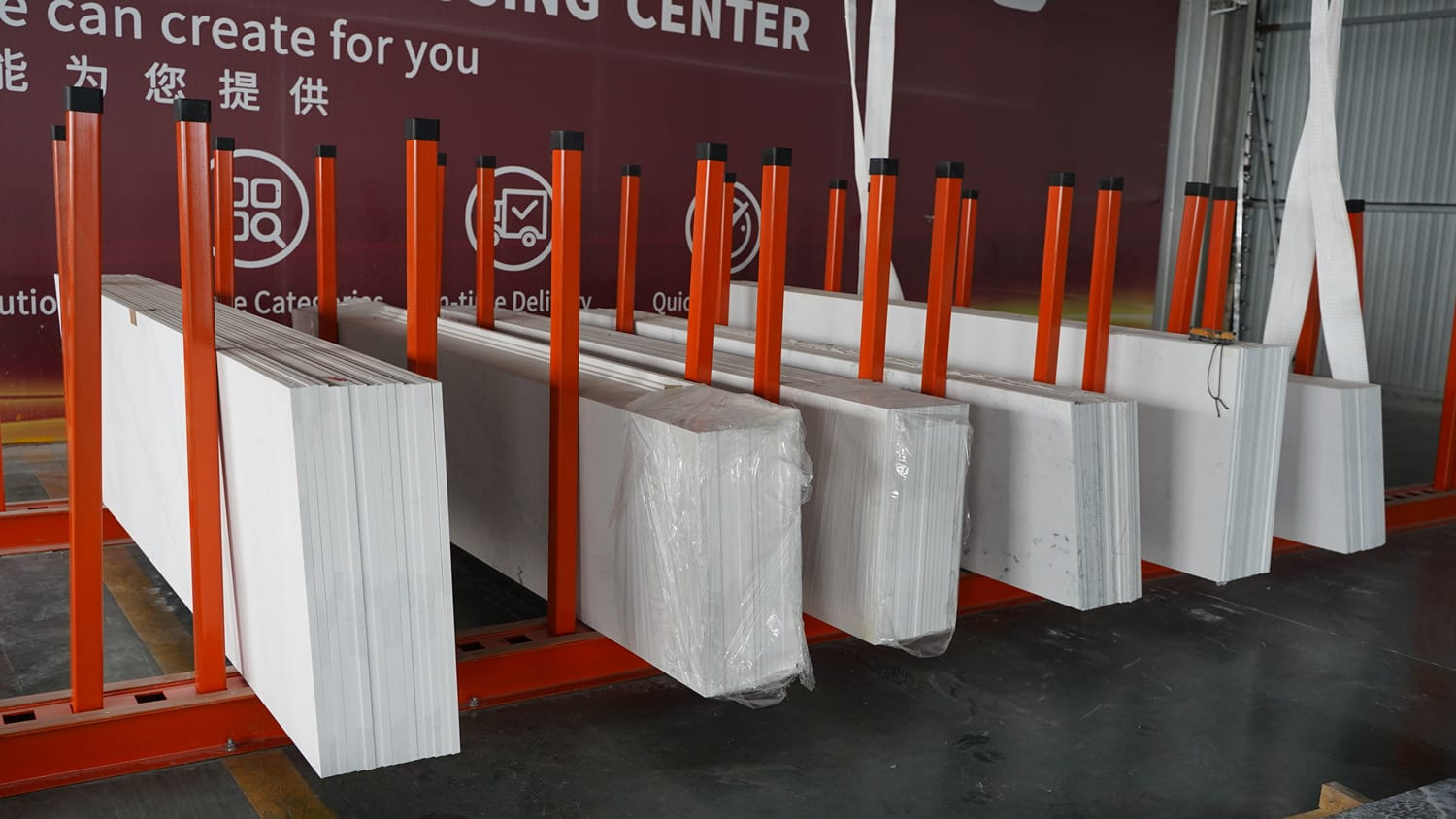
4. Maturity and Transformation Stage (2015 – Present)
1 . Green and Sustainable Production – Stricter environmental policies have encouraged factories to improve resin formulas, reduce VOC emissions, and adopt recyclable or non-toxic materials.
2. Intelligent and Customized Manufacturing – Automation, CNC cutting, and smart molding systems have improved efficiency and consistency, enabling customized surface design and fabrication.
3. Brand and Design Orientation – Consumers are increasingly seeking stylish, high-quality materials. Leading brands now emphasize design innovation, aesthetics, and eco-friendly concepts while building stronger international presences.
4. Integration with New Materials – Artificial stone is evolving alongside new surface materials like sintered stone, large-format ceramics, and composite panels, leading to greater diversity in architectural and decorative applications.
In The End
Looking ahead, as sustainability, smart living, and carbon neutrality goals reshape global manufacturing, China’s artificial stone sector is expected to move toward high performance, low energy consumption, and design-oriented development.
Artificial stone will continue to play an essential role not only in architecture and home decoration but also in advancing material science and sustainable development for the future.
About Us
We stand out as a leading manufacturer of artificial quartz stone slabs in China, proudly operating our own factory. We specialize in supplying top-quality quartz slabs to esteemed brand-owners, wholesalers, distributors, and fabricators worldwide.
Our products include quartz stone Calacatta series, Carrara series, Fine grain & Diamond series, Pure Colors series, Unique Patterns series, JADE series, and Printed Quartz Stone.
Thickness: 15mm, 18mm, 20 mm, 30 mm
Standard Size: 3200x1600mm(126×63 inch)
Biggest Size: 3500x2000mm(137.8×78.4 inch)
Surface: Polished/Matte
Trade Manager: Hero Gegal
Phone: +86 150 5425 3293
WhatsApp: +86 150 5425 3293
References: